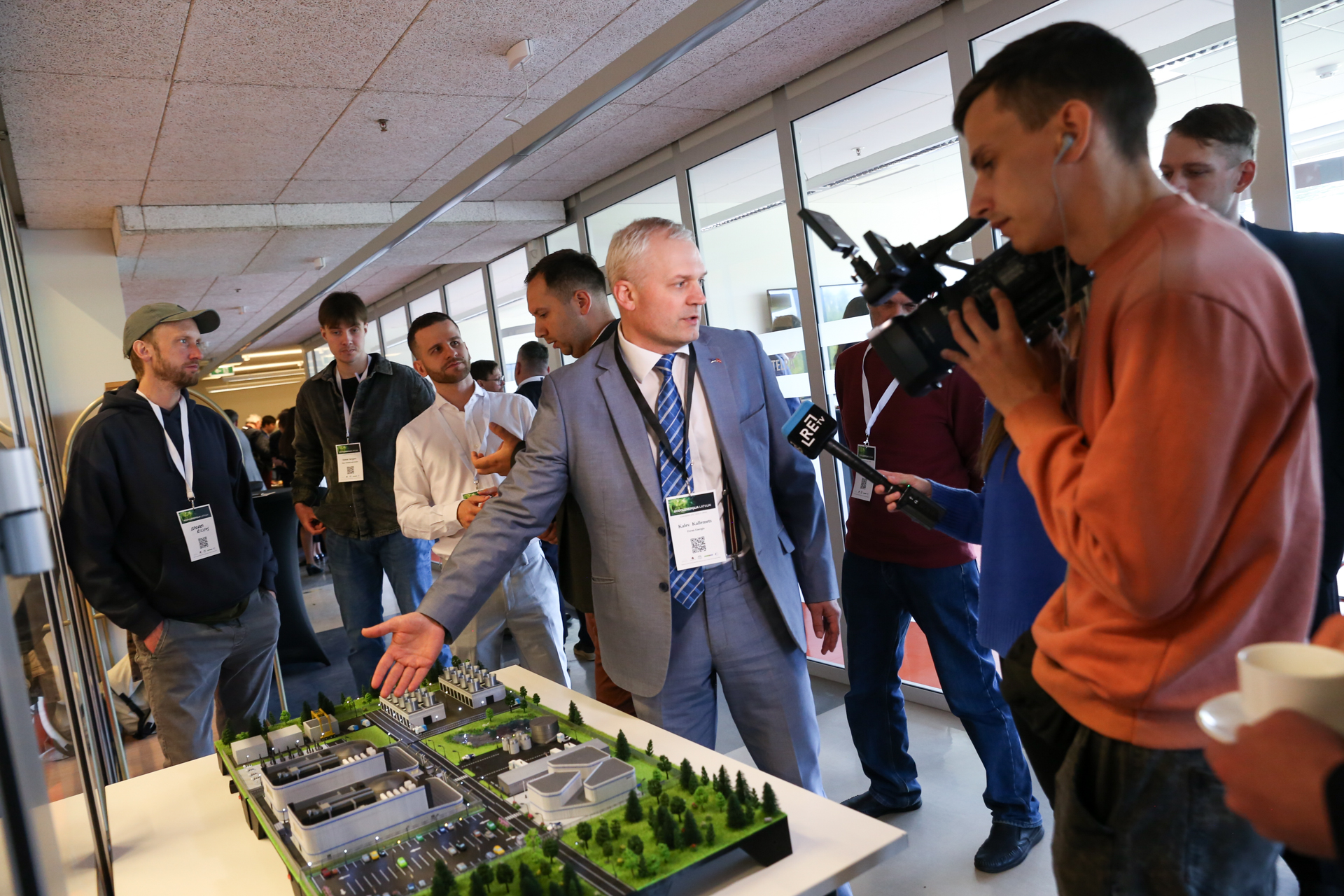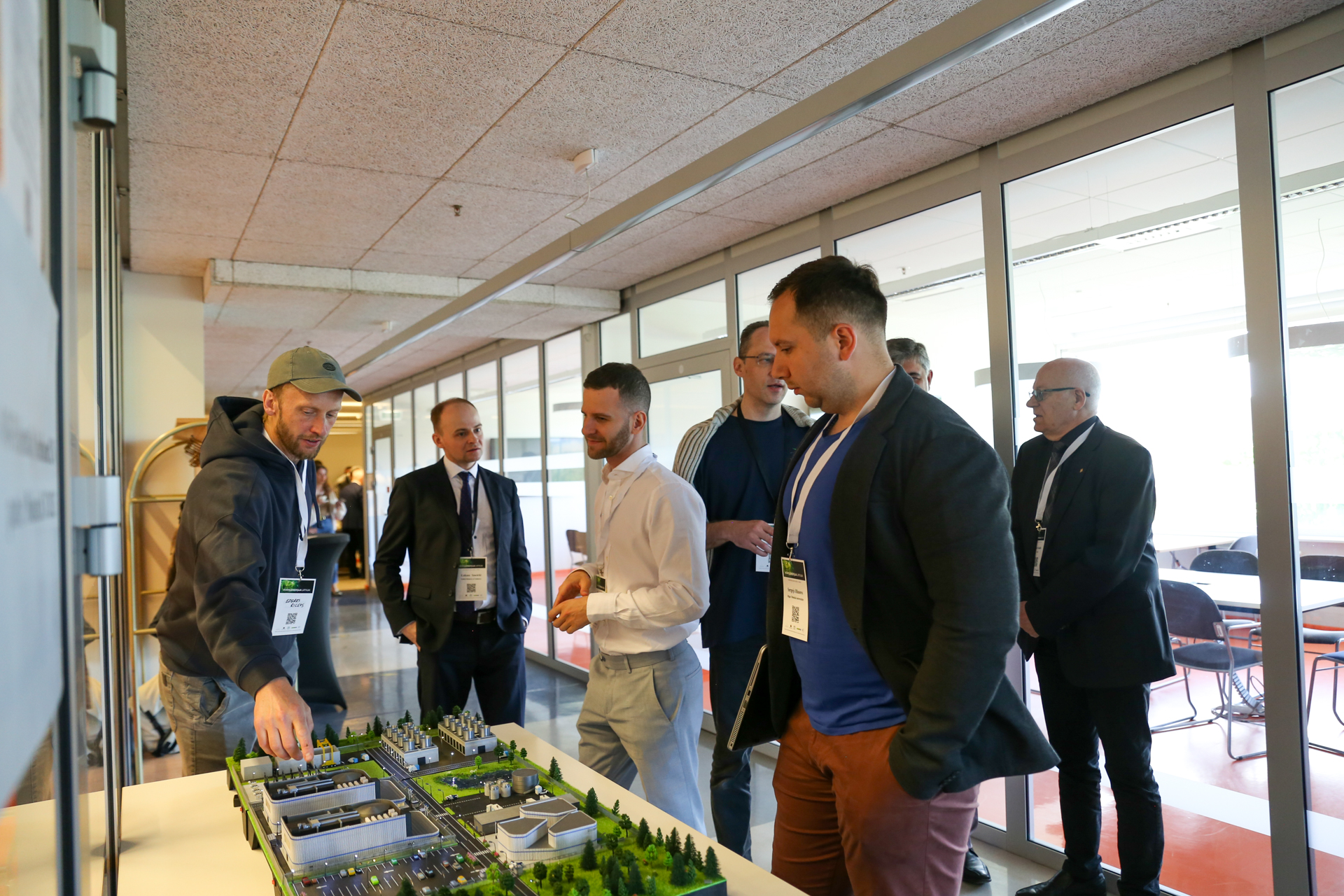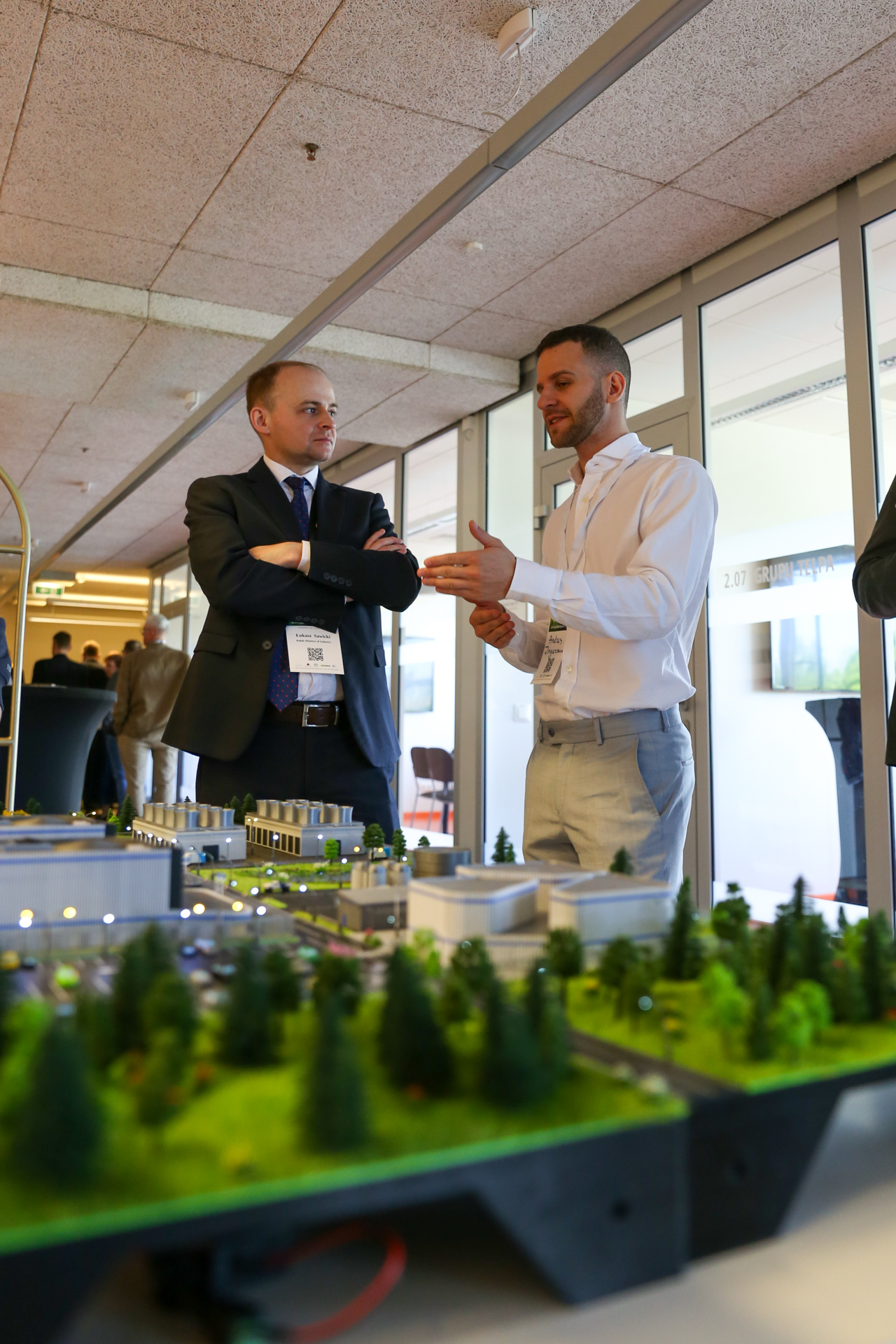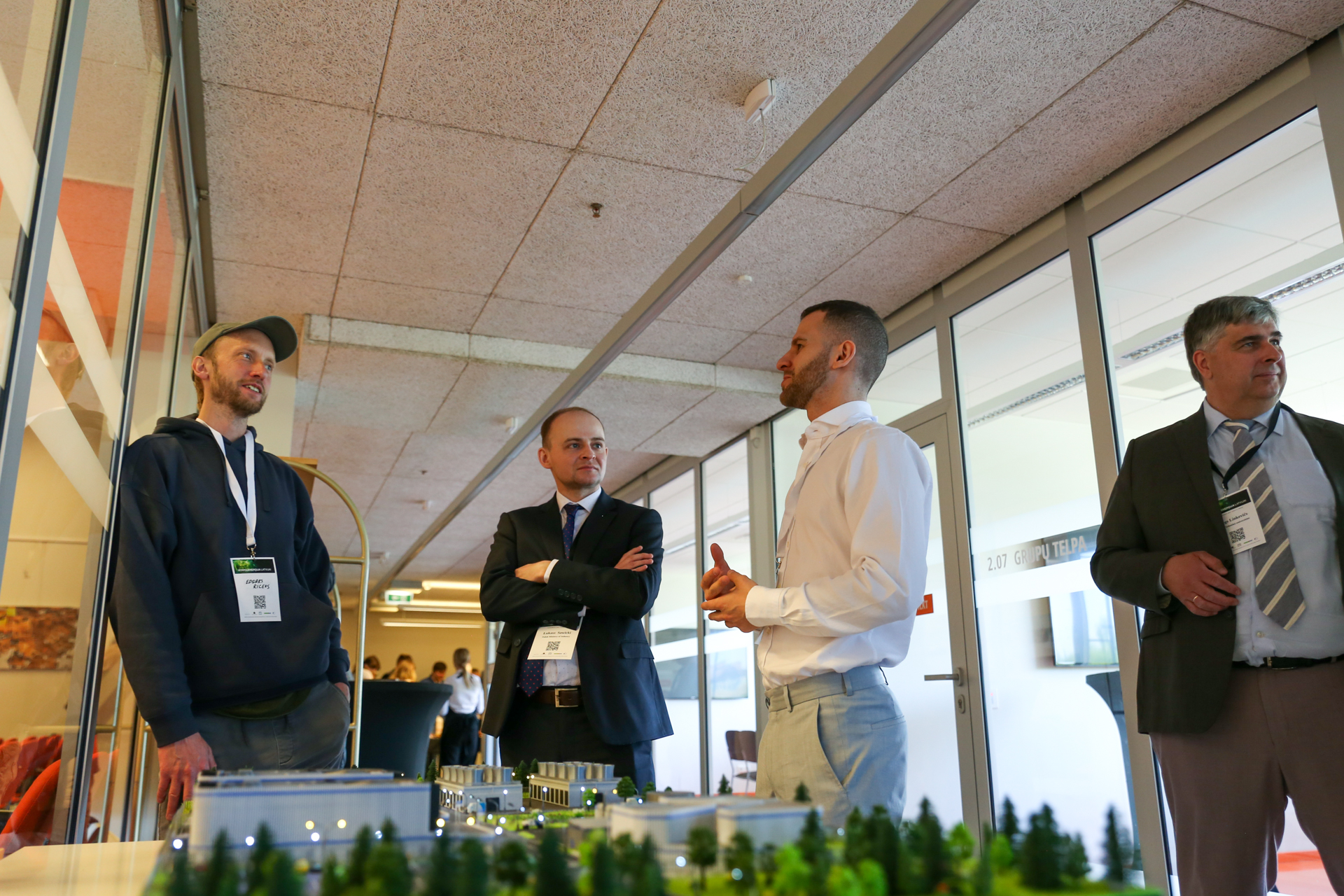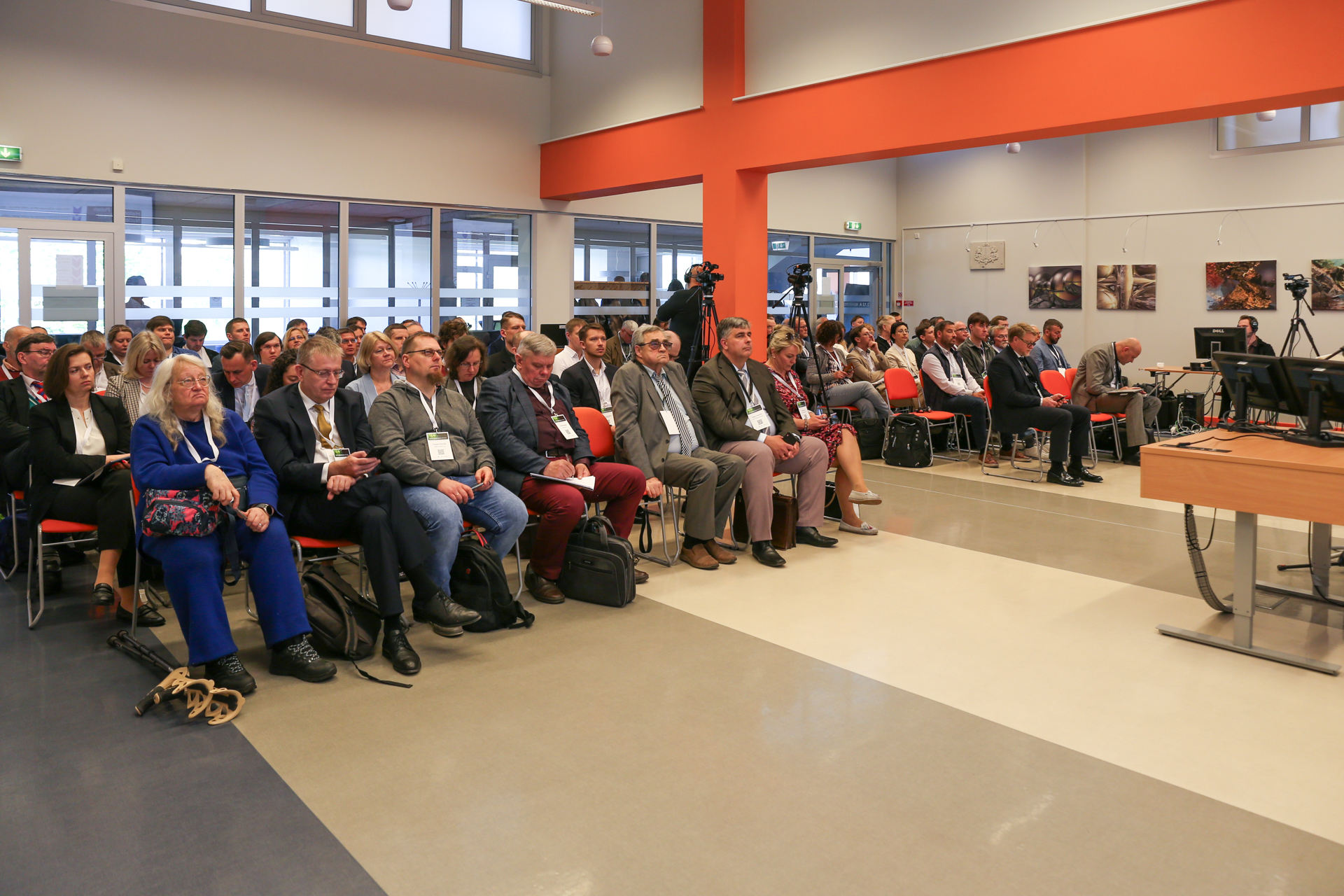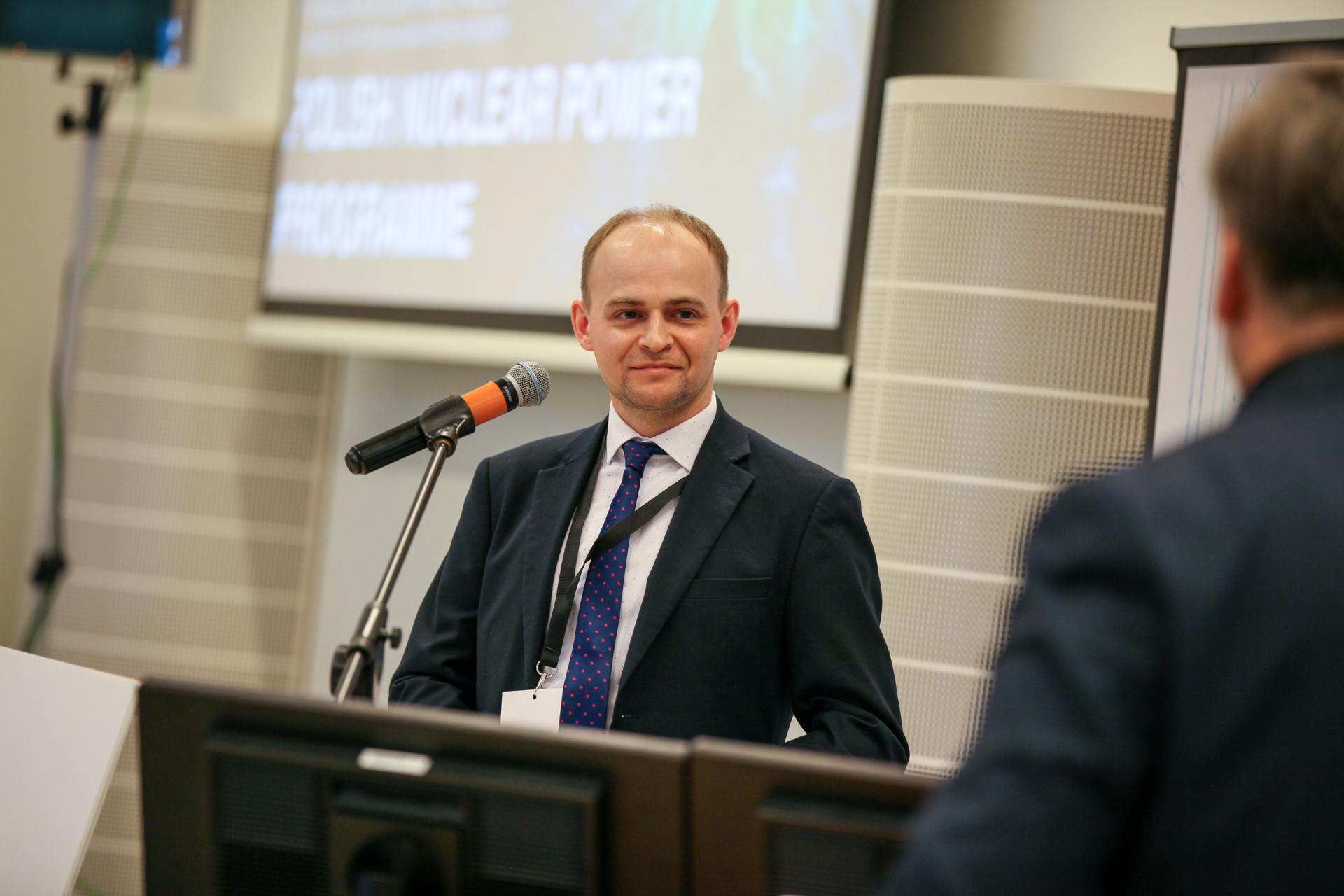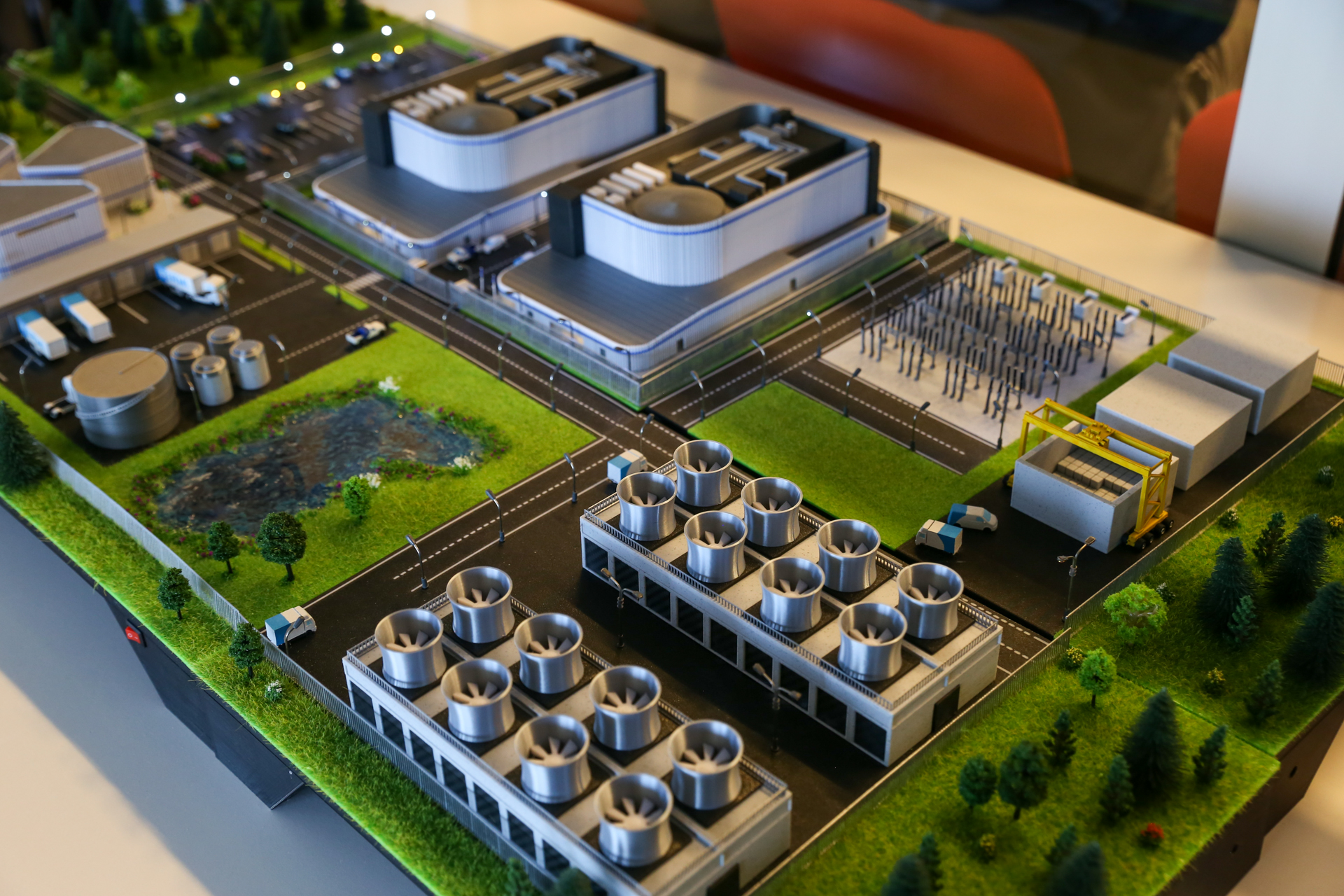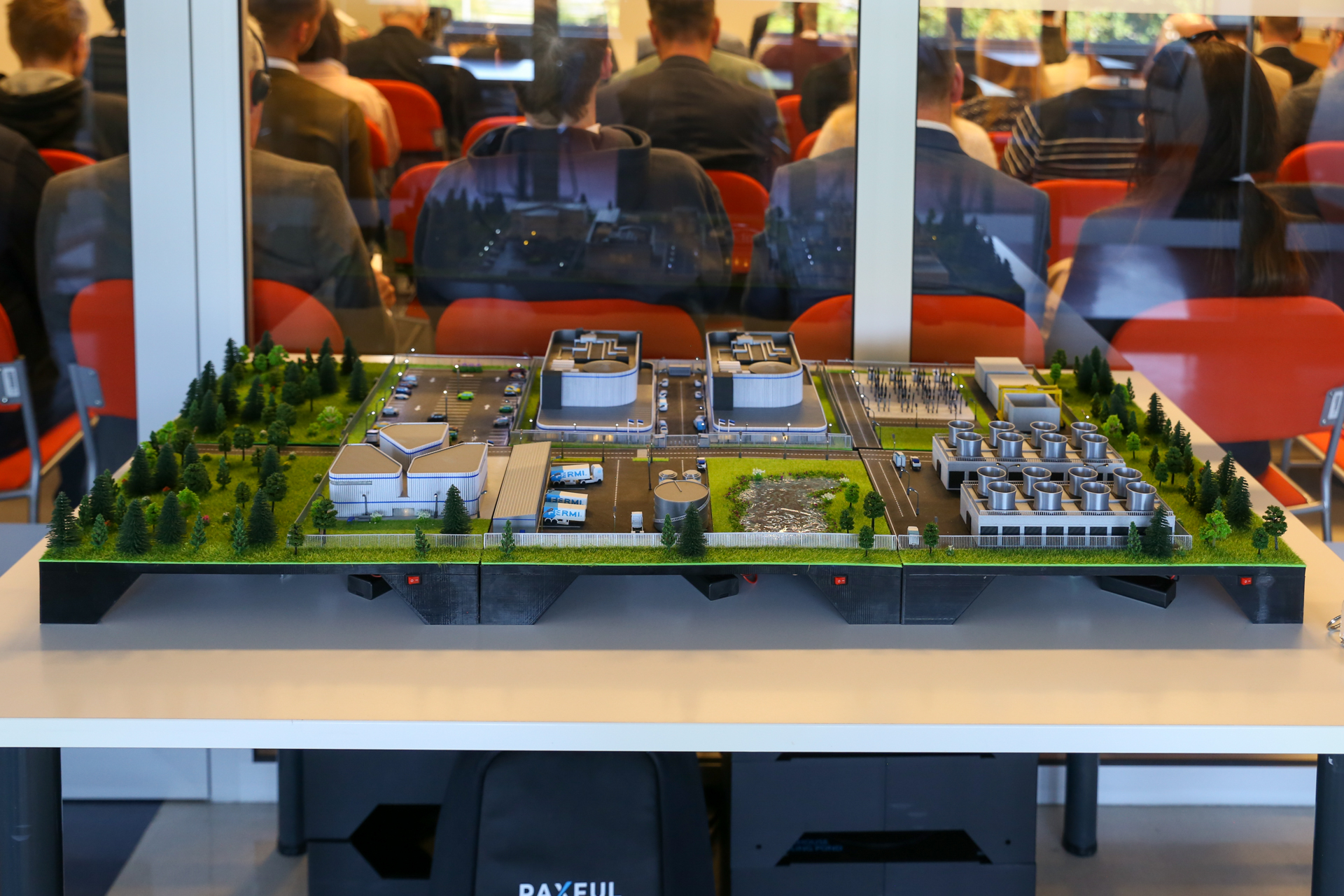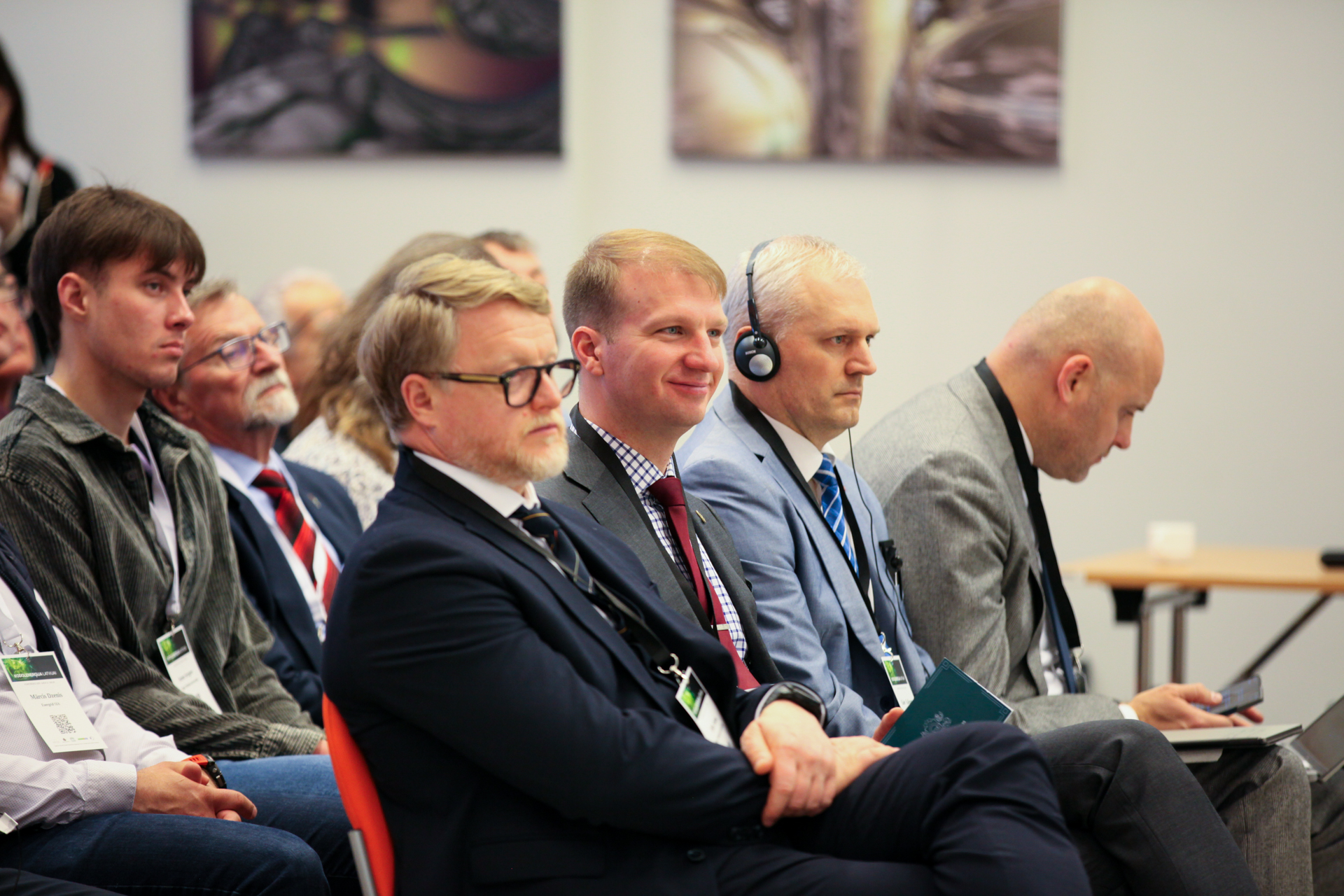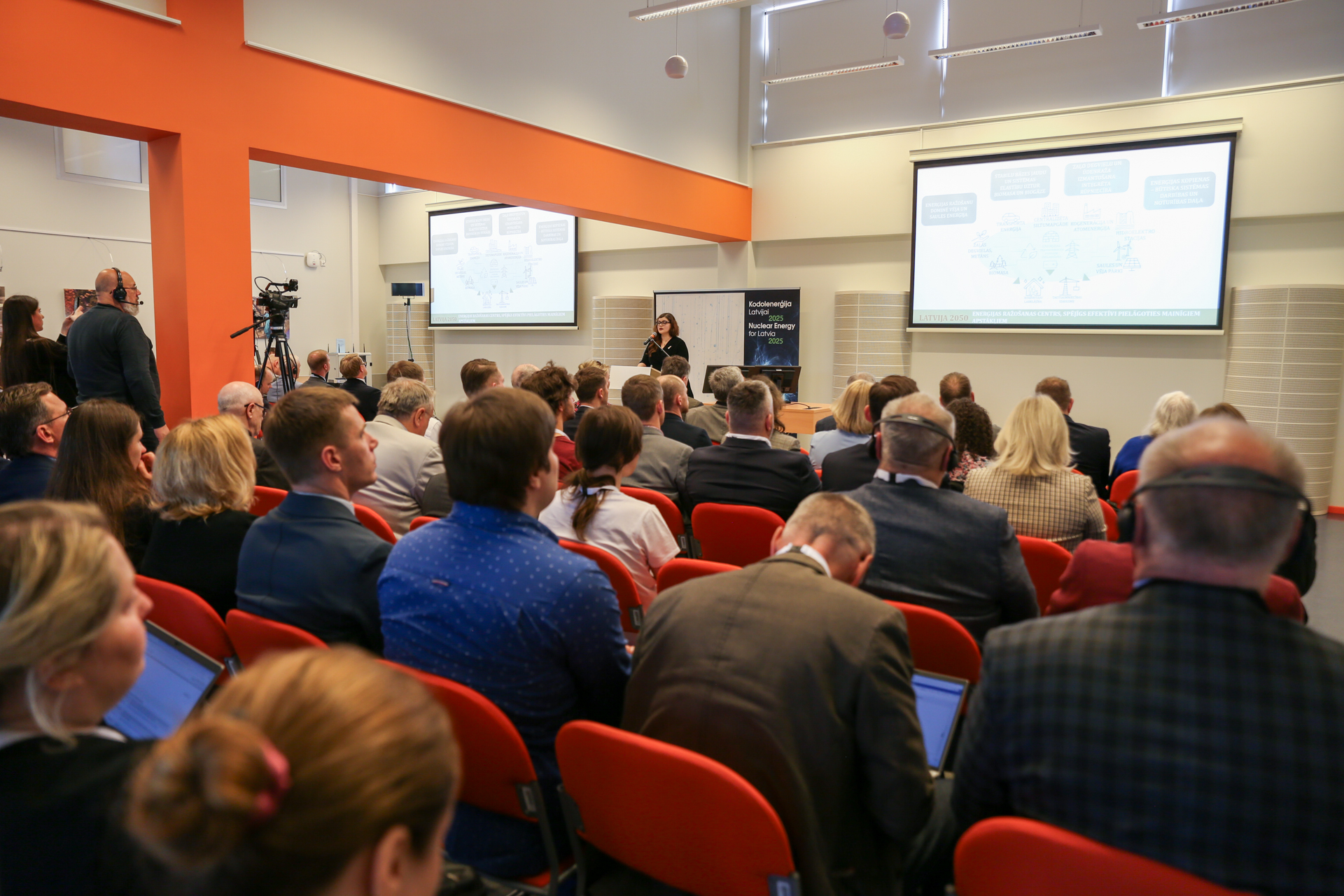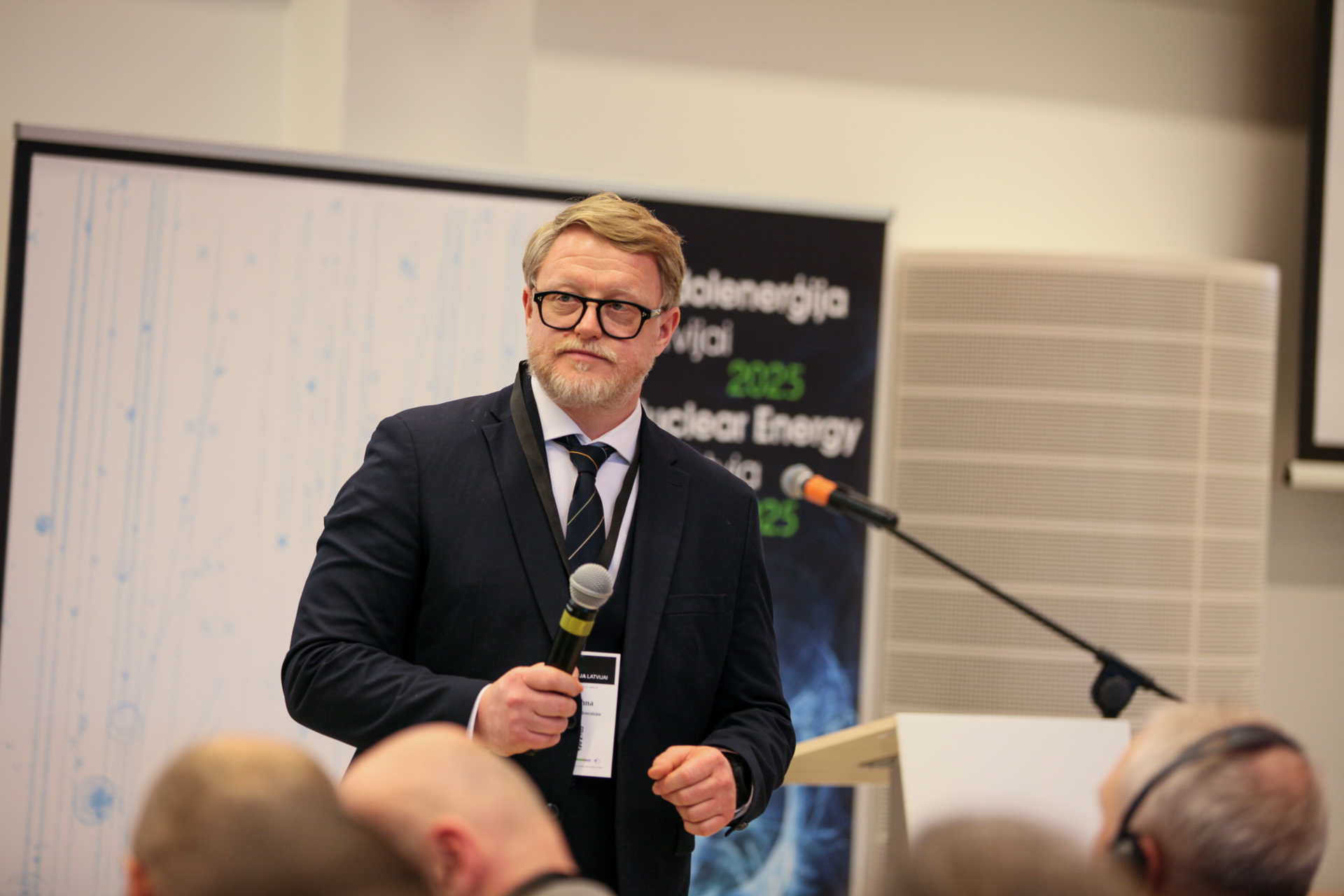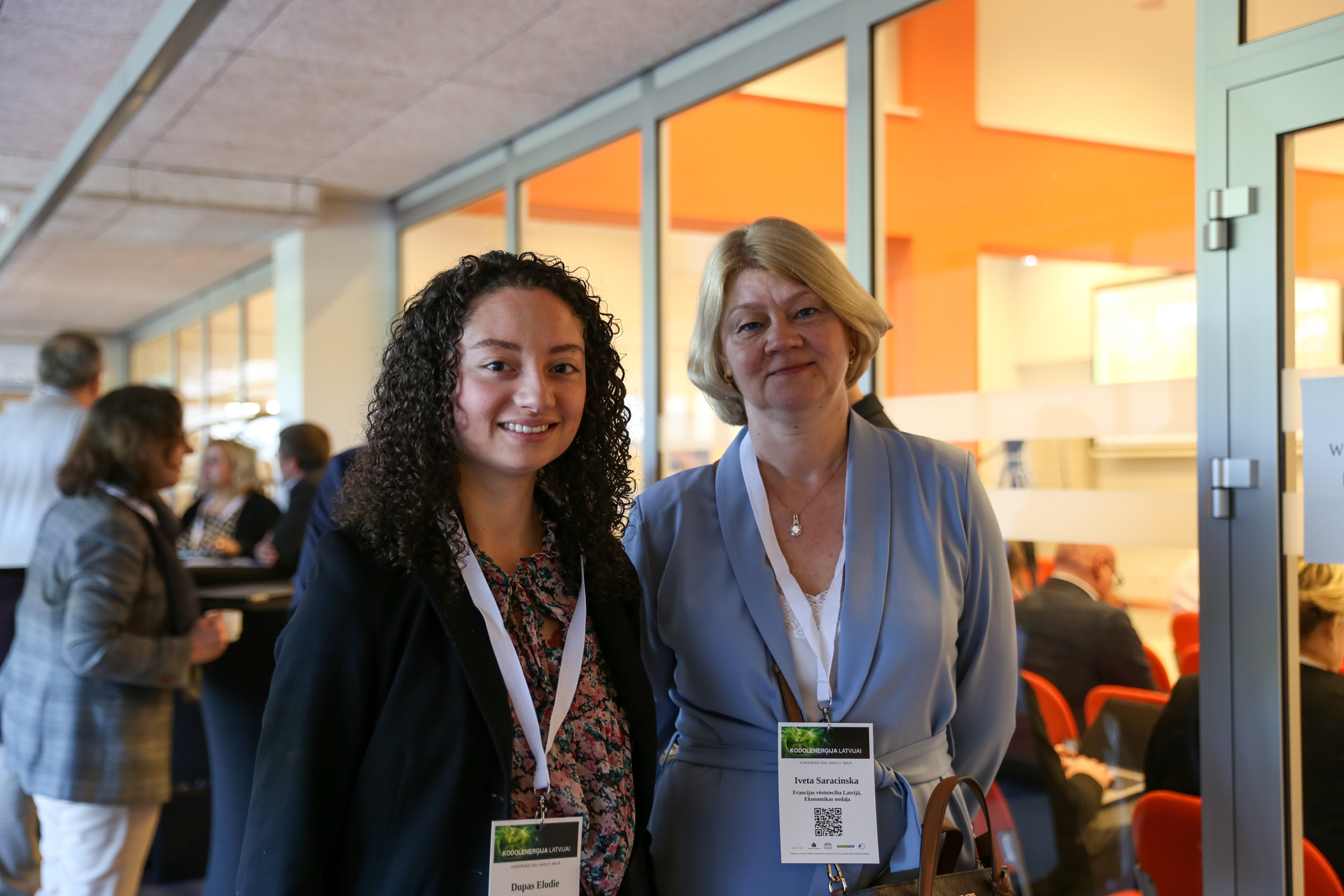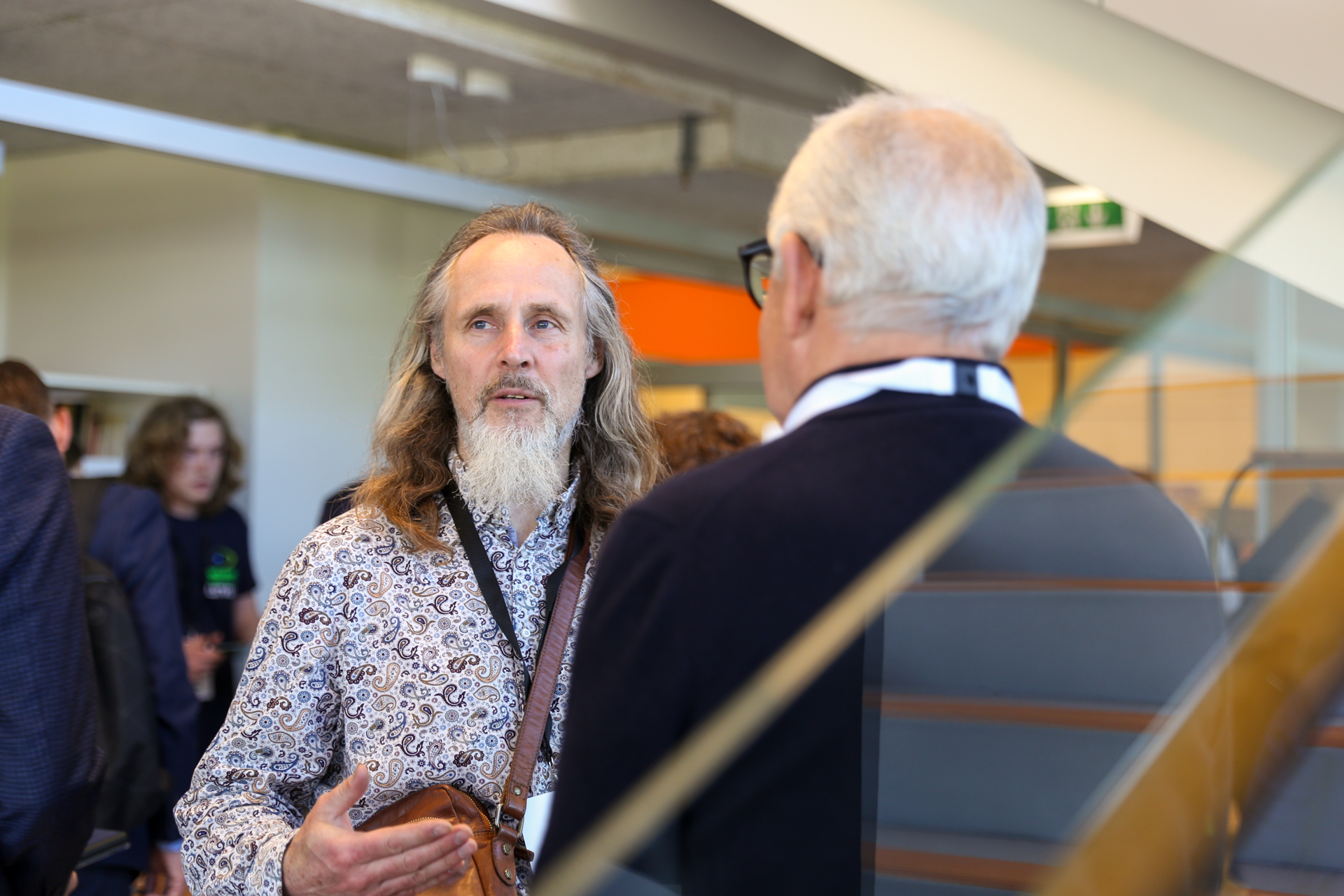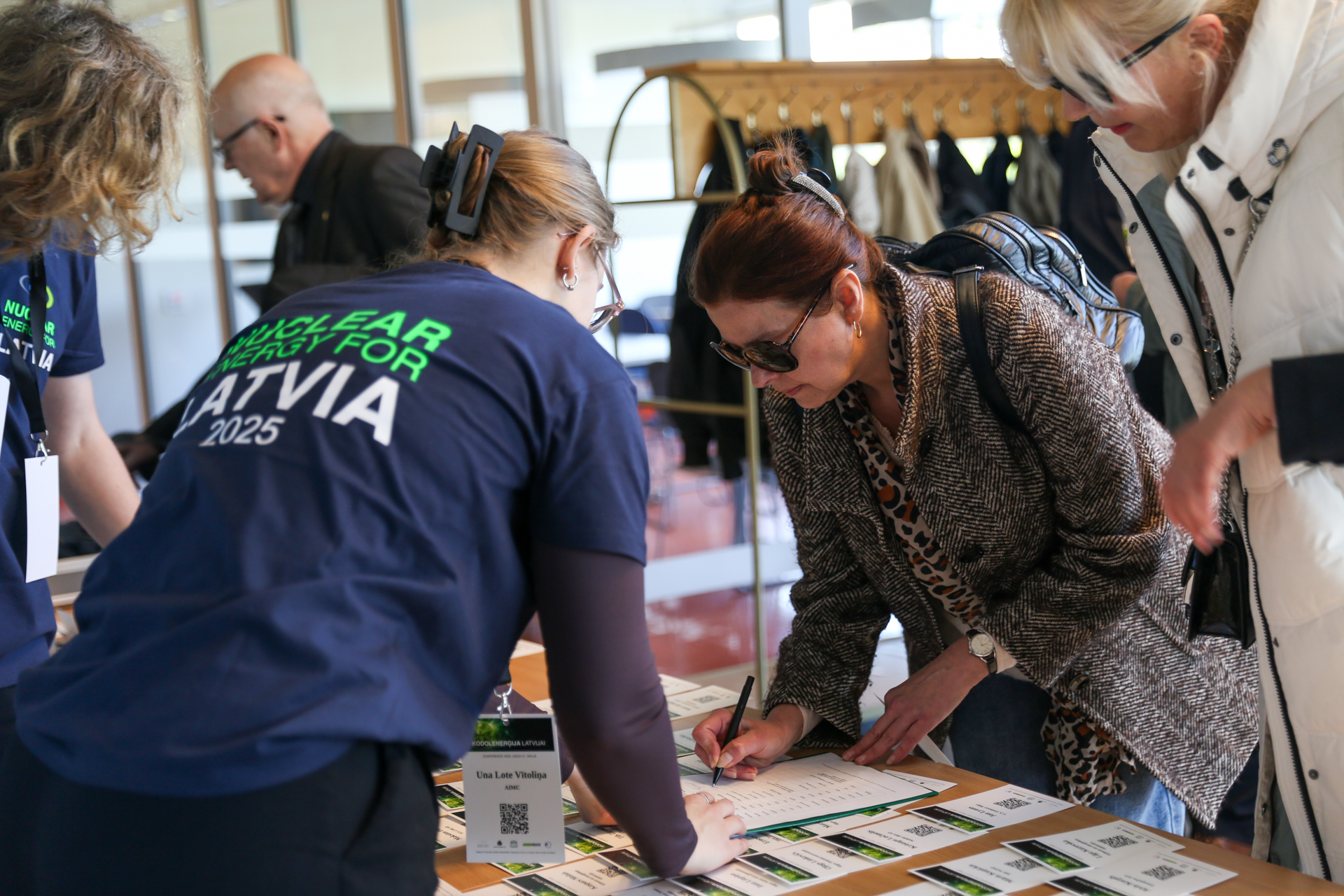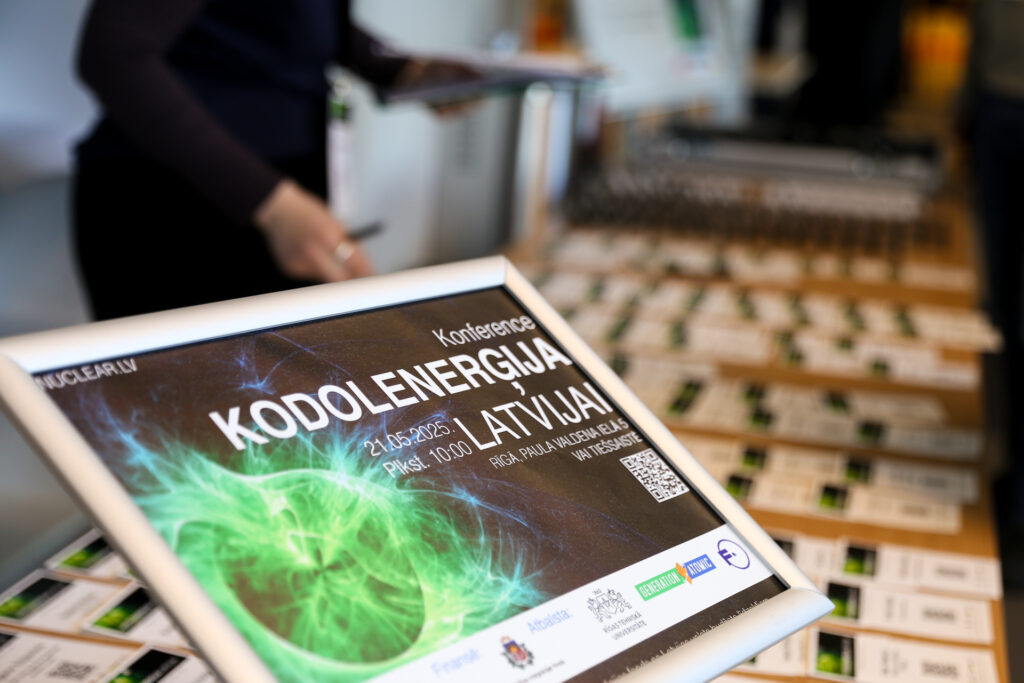
On 21 May 2025, the fourth international conference “Nuclear Energy for Latvia” took place at the conference hall of Riga Technical University (RTU), bringing together experts, policymakers, and industry stakeholders from Latvia and abroad. The conference aimed to raise public awareness about the role of nuclear energy in achieving Latvia’s climate targets and strengthening energy independence.
Political Will and Strategic Outlook
The event was opened by the Minister for Climate and Energy, Kaspars Melnis, and RTU Rector Tālis Juhna, both affirming high-level support for a national discussion on the potential role of nuclear energy in Latvia’s future energy mix. Rector Juhna expressed RTU’s readiness to lead the development of nuclear energy education, considering that adequate support and funding from the state and private sector is provided. Minister Melnis emphasized the need for long-term thinking and human capital development, stressing that action must begin now, as the 10–15 years required to build capacity in the field will pass quickly.
Līga Kurevska, State Secretary of the Ministry of Climate and Energy, presented Latvia’s Energy Strategy 2050, emphasizing that it includes nuclear energy as one of the potential future energy sources. The strategy foresees an in-depth assessment of a national nuclear program in line with International Atomic Energy Agency (IAEA) guidelines. With the global rise of Small Modular Reactor (SMR) technologies, nuclear energy is regaining popularity worldwide. A report approved by the Latvian Cabinet of Ministers outlines the possibility of collaboration with Estonia — a neighboring country whose parliament has already endorsed a nuclear program involving SMRs.
Member of Parliament Andris Kulbergs pointed out that while countries were technically prepared to disconnect from the BRELL grid, they were not ready economically. He criticized the use of LCOE (Levelized Cost of Electricity), which does not reflect full system costs — particularly those related to frequency balancing. In Estonia, for example, balancing costs were projected at €40–60 million per year, but in reality, they are around €130 million. This discrepancy significantly impacts final electricity prices, not by 5%, but by as much as 20%. Kulbergs advocated for introducing a separate line on electricity bills to show these costs, noting that cheap solar generation does not necessarily translate to a low final price for consumers. He also stressed that comparing nuclear plants with solar or wind farms is misleading if only electricity production in condensation mode is considered, where heat is wasted. In such cases, electricity costs range from €90–110/MWh. However, in co-generation mode — producing both heat and electricity — electricity costs drop to €50–60/MWh and heat to €20–25/MWh. Kulbergs emphasized that the Baltics lack sufficient baseload capacity to balance grid frequency, which can only be ensured by thermal power plants running on fossil gas, biomass, waste, or nuclear energy. In Riga, heat is mostly produced using biomass, while excess heat from thermal electric stations TEC1 and TEC2 remains underutilized. As a result, district heating is so expensive that households often switch to individual heating. Riga’s heat network must be modernized for more efficient transmission, and SMRs are particularly suitable for locations where both heat and power are needed. He proposed, that heat companies, should be more involved in power generation and grid stability. Finally, Kulbergs emphasized the need for a unified Baltic energy strategy and stated that energy companies and ministries should be led by energy professionals.
Regional Experience and International Partnerships
Kalev Kallemets, CEO of Fermi Energia, presented Estonia’s progress toward building an SMR power station. Estonia has passed a law allowing nuclear power plant construction and selected two potential sites, with a final decision expected by 2027. The chosen reactor type is GE/Hitachi’s BWRX-300, also under construction in Canada and planned for deployment in Poland. Kallemets emphasized the necessity of at least 600 MW of baseload capacity in the Baltics and showed simulation data demonstrating how solar and wind alone are insufficient year-round.
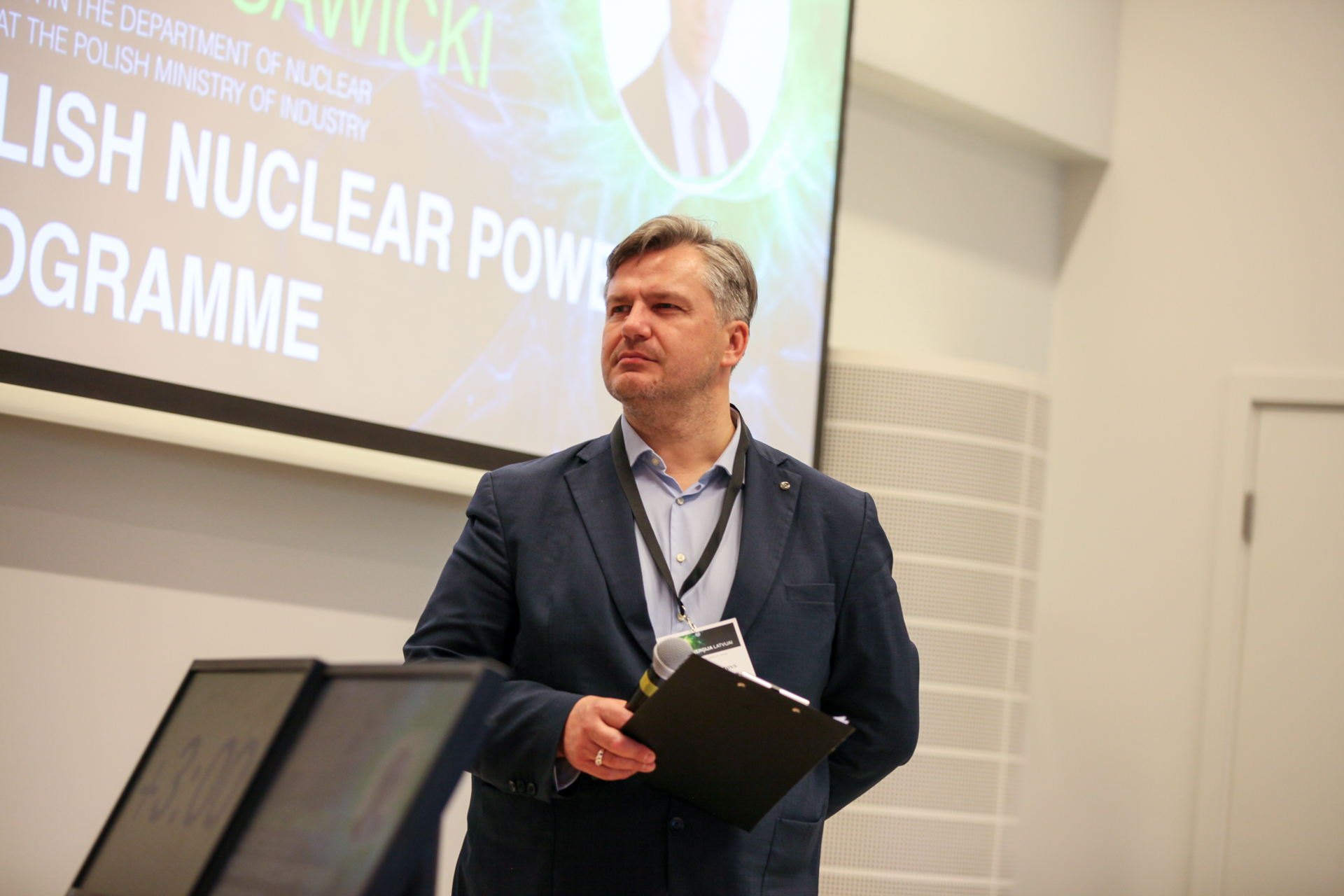
Łukasz Sawicki, adviser at the Polish Ministry of Industry, outlined Poland’s two-track nuclear energy strategy: large reactors are developed by the government and SMRs driven by a private consortium, ORLEN Synthos Green Energy. The first large plant has secured €45 billion in funding, with 30% state participation. Plans for a second plant include partnerships with steel manufacturers and municipalities to supply power and district heating locally.
Matti Paljakka, representative of VTT (Finland’s Technical Research Centre), shared insights from Finland, which operates two nuclear power plants. Nuclear provides 38% of Finland’s electricity and 95% of its electricity is CO2-neutral. Paljakka encouraged Latvia to do joint research initiatives and develop university programs to build national expertise.
RTU Professor Oļegs Linkevičs discussed the historical and regulatory context of nuclear energy in the Baltics, stressing the need for clear legislation, an independent regulator, and public trust. He argued that Latvia must support energy-intensive sectors like industry and data centers and highlighted nuclear’s long service life (60+ years) compared to the 20–30 years for wind and solar. He called for realistic comparisons that account for balancing and full life-cycle costs.
University of Latvia researcher Agris Auce gave a comparative overview of nuclear development in Europe, emphasizing that nearly all EU countries are moving forward with nuclear programs. He highlighted global interest from companies like Microsoft and Amazon in developing SMRs for consistent energy supply.
Scientific Evidence and Technology Assessment
RTU Professor Antans Sauhats presented a study comparing nuclear, solar, and wind technologies. He questioned the validity of the LCOE method, noting that it omits system balancing and integration costs. Using a hypothetical 1 GW plant costing €5 billion, he showed that profitability depends on operational hours and market prices, which are increasingly volatile. Sauhats emphasized the need to utilize excess renewable energy for hydrogen production and synthetic fuels.
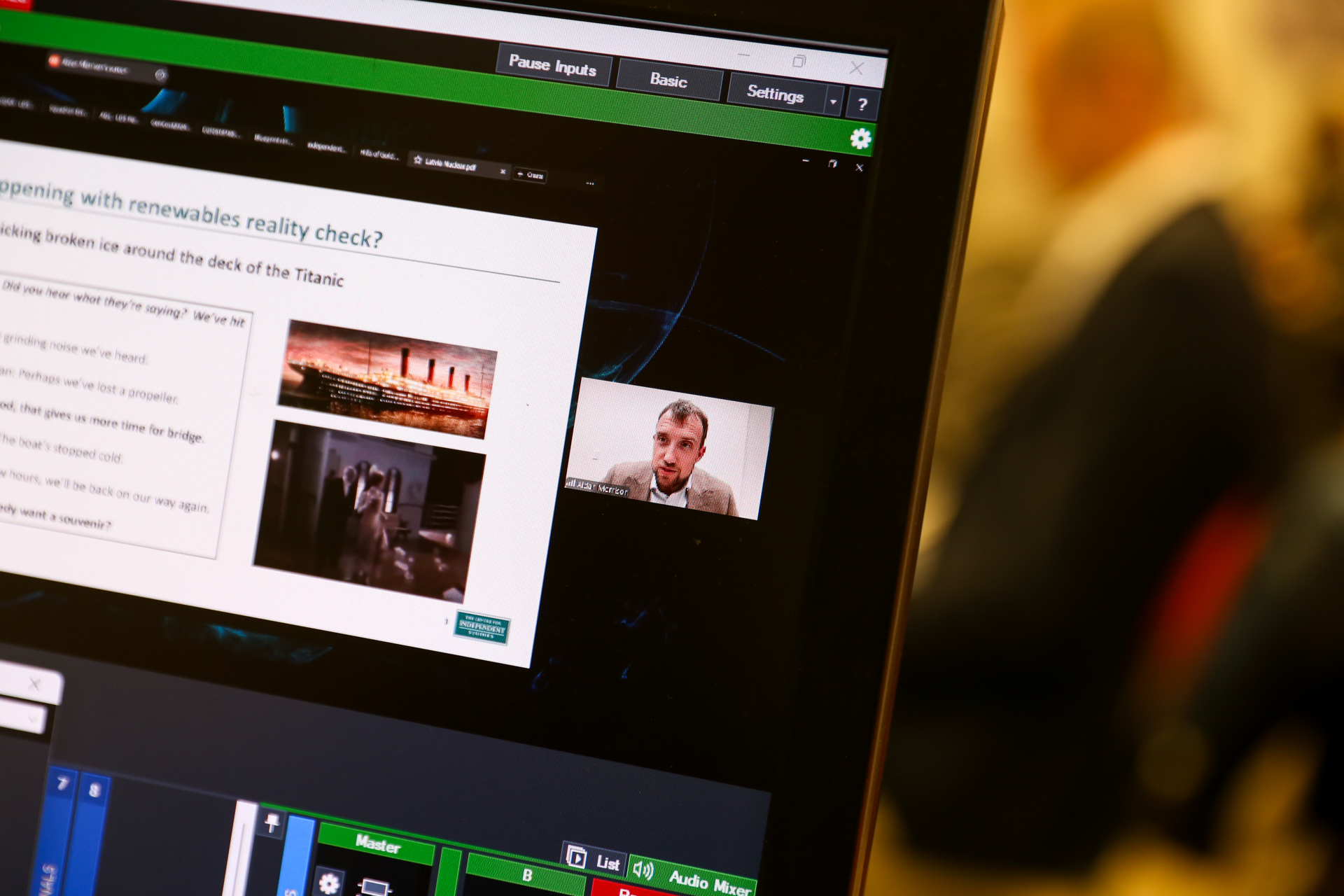
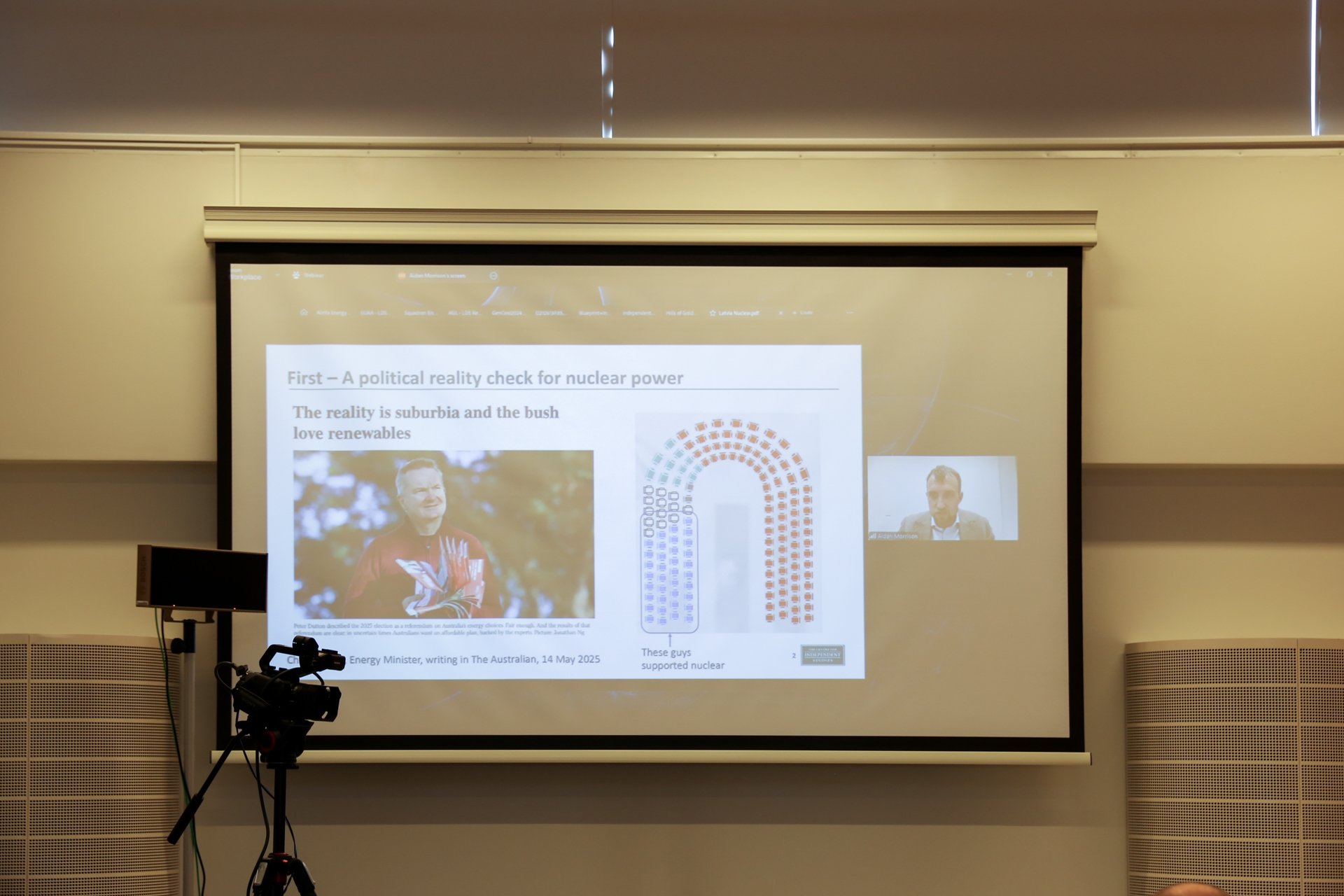
Aidan Morrison, Director of the Independent Research Centre (Australia), analyzed Australia’s experience, where overreliance on solar and wind has led to high end-user costs. While market prices for solar and wind energy are decreasing, consumer electricity bills have risen—from an average of 600 to 1000 Australian dollars per month. The main reason, he explained, is that the national energy plan failed to account for the substantial investment needed in gas and electricity transmission infrastructure to cover demand when the wind doesn’t blow and the sun doesn’t shine. Morrison urged Latvia to evaluate a range of energy development scenarios based on such real-world lessons.
Safety, Public Trust, and Human Capital
Roman Voronov, Director of Lithuanian Nuclear Energy Association, discussed radioactive waste management, including reactor decommissioning and long-term storage. He emphasized that future use of radioactive materials could be possible once radiation decays and that public engagement and engineering safeguards are critical for safety and acceptance of nuclear technology.
RTU Associate Professor Dmitrijs Rusovs highlighted the importance of nuclear education and RTU’s readiness to expand study programs aligned with IAEA guidelines. He noted existing programs like “Thermal Energy and Technology” and “Medical Engineering and Physics” as relevant starting points and stressed the need for long-term planning in human capital development.
Conference presentations and recordings are available at: https://nuclear.lv/
The conference was held with financial support from the Society Integration Foundation, funded by the Latvian state budget within the framework of the project “Technology Knowledge for Latvia’s Future — 2025.” It was organized and curated by the non-governmental organization “Development and Innovation Training Centre.” The conference was supported by Riga Technical University, Fermi Energia, the nonprofit organization Generation Atomic, and SIA Odo.